“This post contains affiliate links, and I will be compensated if you make a purchase after clicking on my links.”
Your dog’s stiff movements in the morning or reluctance to jump on the couch might signal joint problems. At DogingtonPost, we know that the right joint health dog foods can make a real difference in your dog’s mobility and quality of life.
This guide walks you through the signs of joint issues, what ingredients actually matter, and which foods deliver results for dogs that need extra support.
Recognizing Joint Problems in Your Dog
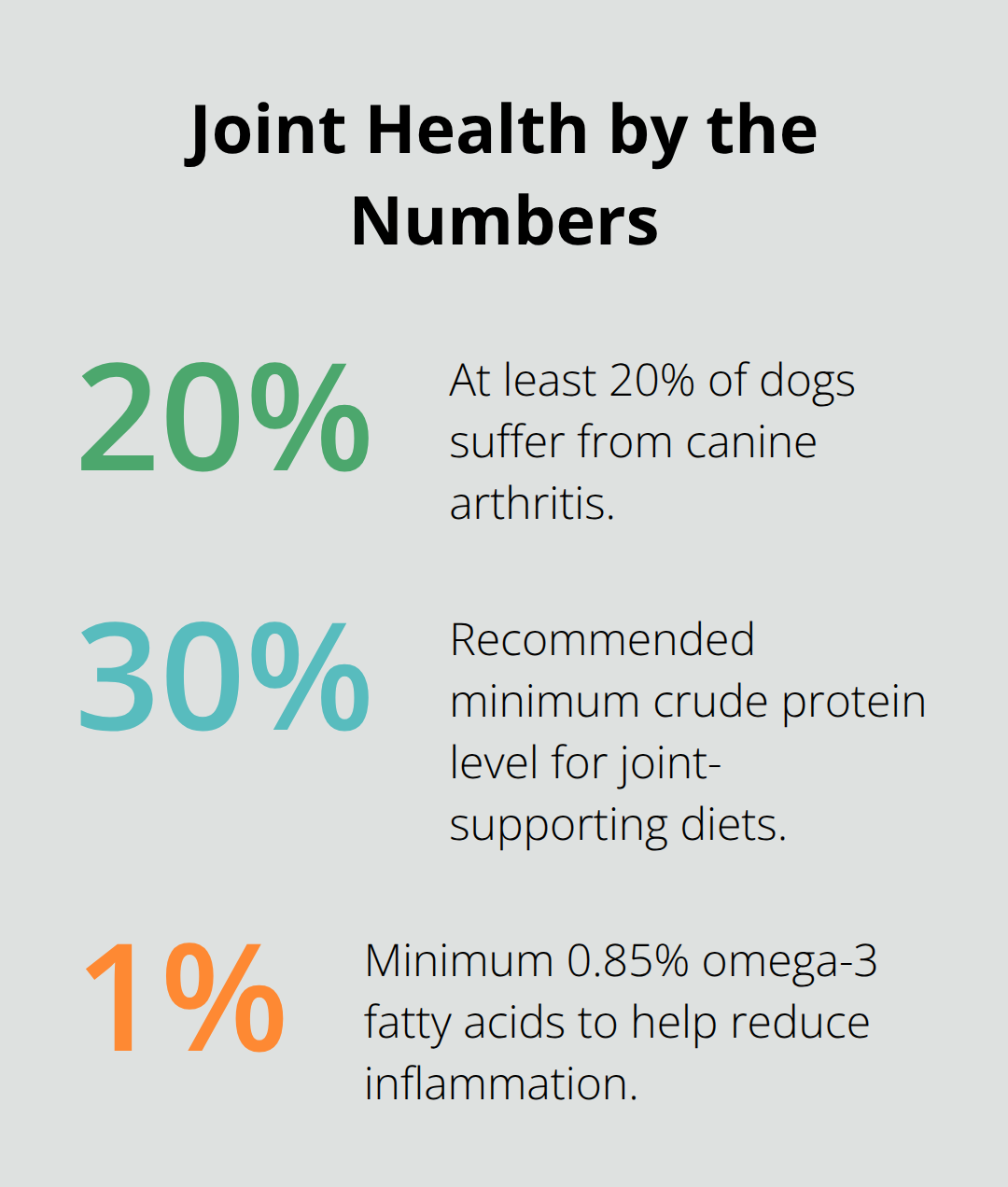
Stiffness after rest is one of the first signs you’ll notice, and it’s worth taking seriously. If your dog struggles to stand up after sleeping or hesitates before jumping down from furniture, joint issues are likely developing. The American Kennel Club reports that at least 20% of dogs suffer from canine arthritis, making this a widespread problem that many dog owners face. What makes this concerning is that arthritis is progressive and currently incurable, so early recognition matters. Watch for morning stiffness that improves after a few minutes of movement-this is classic early-stage joint deterioration.
Some dogs will shift their weight away from a painful leg or walk with an uneven gait, favoring one side over the other. You might also notice your dog taking shorter steps or moving more slowly on walks than they used to.
Decreased Activity and Exercise Tolerance
Your dog’s exercise habits reveal a lot about joint health. If your previously active dog now avoids stairs, skips walks, or tires quickly during play sessions, joint pain is likely the culprit. Senior dogs especially show this pattern-they may lose interest in activities they once loved or simply sit out when other dogs are running around. Track how long your dog can walk comfortably and whether they limp afterward, as this gives you concrete data to share with your veterinarian. Many owners mistake reduced activity for normal aging, but it’s actually a sign that intervention through diet and other treatments can genuinely improve quality of life. Dogs with joint problems also tend to spend more time resting and may seem reluctant to engage in physical activity they previously enjoyed.
Building Your Case for Your Vet
Document these changes carefully-note when your dog started showing less interest in walks or play, and mention this timeline during your vet visit. This information helps your veterinarian establish how quickly the condition is progressing and whether dietary changes alone will be sufficient or if additional treatments are needed. The right joint health dog food can slow deterioration and restore mobility, but your vet needs the full picture to recommend the best approach for your dog’s specific situation.
What Actually Works in Joint Health Dog Foods
Glucosamine and chondroitin attract attention, but they represent only part of the solution. Understanding what these ingredients actually accomplish helps you make informed choices for your dog. Glucosamine supports cartilage and joint fluid lubrication, while chondroitin helps joints resist compression and stay cushioned. These two work together to slow cartilage breakdown, but here’s what matters: they’re not recognized as essential nutrients by AAFCO, which means their presence alone doesn’t guarantee results.

The overall nutrient profile determines effectiveness. Look for dog foods with at least 30% crude protein, minimum 0.85% omega-3 fatty acids, and glucosamine levels appropriate for joint support. Hill’s Prescription Diet j/s Mobility meets these benchmarks and is backed by double-blind studies showing measurable improvements in mobility. Purina Pro Plan Veterinary Diets JM Joint Mobility follows a similar formula with 30% protein and proven clinical support. When you read ingredient labels, omega-3 sources like salmon, trout, and fish oil should appear near the top of the list, not buried halfway down.
Protein Powers Muscle Support
Senior dogs need roughly 1.5 to 2 grams of protein per pound of bodyweight daily to maintain muscle mass around aging joints. Muscle acts as a shock absorber for joints, so weak muscles actually accelerate joint deterioration. High-protein formulas matter more than trendy ingredients because they address the mechanical foundation of joint health. Wellness Complete Health Senior and Merrick Healthy Grains Senior Recipe pair quality protein with omega-3s and antioxidants like blueberries and spinach to address inflammation from multiple angles. These brands recognize that protein alone isn’t enough-the supporting nutrients must work together.
Omega-3s Fight Inflammation
Omega-3 fatty acids from fish sources reduce inflammation and joint pain, which is why salmon appears in effective formulas throughout the market. These fatty acids work at the cellular level to calm the inflammatory response that causes stiffness and discomfort. Foods listing corn, wheat, or excessive salt high on the ingredient list promote inflammation rather than fight it, so avoid these options. The anti-inflammatory benefit compounds when combined with high protein levels and proper calorie density.
Weight Management Amplifies Everything
Obesity worsens joint pain and reduces mobility, so a food with the right calorie density matters just as much as the ingredients themselves. Purina’s Feeding Guide Calculator helps match portions to your dog’s weight and activity level, preventing the overfeeding that sabotages joint health. A dog carrying excess weight places constant stress on already-compromised joints, negating the benefits of premium ingredients. Getting weight right transforms how effectively the food supports your dog’s mobility.
Choosing Foods That Deliver Results
The brands that combine these elements-high protein, omega-3s, glucosamine, and appropriate calories-produce the measurable improvements that veterinarians recommend. Your next step involves identifying which of these formulas fits your dog’s specific needs and budget, then understanding how to transition your dog without causing digestive upset.
Top Joint Health Foods and Their Benefits
Hill’s Prescription Diet j/d Mobility stands out as the most evidence-backed option available, with double-blind studies showing that EPA in the formula helped reduce protoglycan loss from cartilage. The formula delivers 30% crude protein minimum, 800 IU/kg vitamin E, and glucosamine at 1000 mg/kg, hitting every marker that matters for joint support. Purina Pro Plan Veterinary Diets JM Joint Mobility follows closely with identical protein levels and 0.85% omega-3 fatty acids, paired with a calorie density of 379 kcal per cup that prevents the overfeeding trap many owners fall into. Wellness Complete Health Senior takes a different approach, emphasizing lean meat sources with antioxidant-rich fruits and vegetables plus omega-3 flaxseed, making it ideal for dogs with sensitivities to prescription formulas. Merrick Healthy Grains Senior Recipe pairs chicken and turkey with salmon oil and glucosamine, offering a gluten-free option at roughly 25% protein. The critical difference between these brands and budget alternatives lies in ingredient transparency and clinical validation, not marketing claims about superfood ingredients.
Transitioning Your Dog to a New Food
A structured seven-day plan prevents the vomiting and diarrhea that derail owners’ efforts. Start with 75% old food and 25% new food for two days, move to 50/50 for two days, then 25% old and 75% new for two days before switching fully on day seven. Dogs with sensitive stomachs need an even slower transition, stretching this over ten days. Hill’s recommends their four-step plan specifically because rushing causes gastrointestinal upset that makes owners revert to inferior foods.

Monitor your dog’s stool consistency throughout the transition, as firm stools indicate successful acceptance. Once fully transitioned, most dogs show noticeable improvements in morning stiffness within three to four weeks and more significant mobility gains by week eight, though some respond faster.
Feeding Portions and Weight Monitoring
Feed your dog according to weight and activity level using Purina’s calculator as a guide, adjusting portions if your dog gains weight on the recommended amount. Weigh your dog monthly for the first three months after switching to catch weight creep early, since excess pounds undo the benefits of premium ingredients. A dog carrying excess weight places constant stress on already-compromised joints, negating the benefits of premium ingredients. Most dogs require between 0.9 and 4.8 cups daily depending on their size, with larger dogs needing proportionally more to maintain muscle mass around aging joints.
Assessing Results and Next Steps
Schedule a veterinary follow-up visit after eight weeks to assess whether the food alone is sufficient or whether additional supplements or therapies are needed. Your veterinarian can evaluate mobility improvements and recommend adjustments based on your dog’s response. Some dogs benefit from joint supplements like glucosamine or chondroitin added to their diet, while others need physical rehabilitation alongside dietary changes. Document any changes in your dog’s activity level, stiffness, or willingness to engage in play so you have concrete observations to share with your veterinarian.
Final Thoughts
Your veterinarian remains your most important partner in supporting your dog’s joints. Schedule a follow-up visit eight weeks after switching to joint health dog foods to assess whether dietary changes alone work or whether your dog needs additional joint supplements, physical rehabilitation, or other treatments. Bring documentation of your dog’s activity level, stiffness patterns, and any changes you’ve observed since starting the new food so your vet can evaluate mobility improvements and recommend adjustments tailored to your dog’s specific situation.
Weight management amplifies everything else you’re doing-excess pounds place constant stress on compromised joints and negate the benefits of premium ingredients. Feed portions based on your dog’s weight and activity level, weigh monthly for the first three months, and adjust if needed. Combine dietary changes with low-impact exercise like short walks or swimming, and consider working with a Canine Rehabilitation Therapist if your dog shows significant mobility limitations.
Start implementing these changes now rather than waiting for joint problems to worsen. The progression of arthritis is relentless, but early intervention through proper nutrition makes a real difference in your dog’s quality of life. Visit DogingtonPost for expert advice and resources on canine nutrition and care.