“This post contains affiliate links, and I will be compensated if you make a purchase after clicking on my links.”
Most dog owners wait until their pet gets sick to visit the vet. At DogingtonPost, we believe preventive health checks for dogs should happen before problems start.
Regular checkups catch diseases early, when they’re easier and cheaper to treat. Your vet becomes your partner in keeping your dog healthy for years to come.
Why Regular Health Checks Actually Save Money
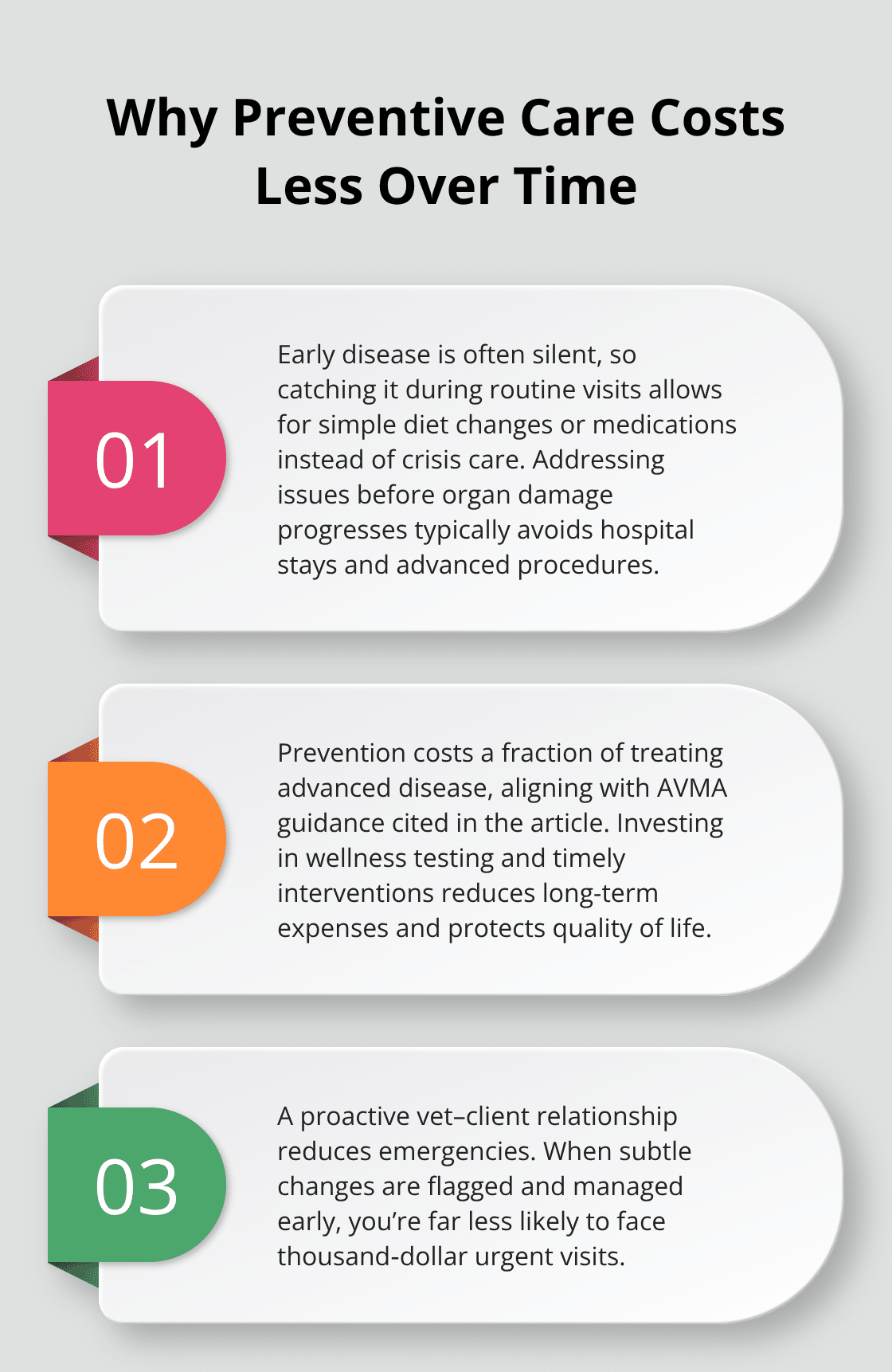
Early disease in dogs develops quietly, often without obvious symptoms until serious damage has occurred. According to IDEXX data, 1 in 7 dogs aged 1–4 and 1 in 5 cats aged 1–7 have clinically relevant abnormalities on bloodwork-yet most owners have no idea their pets are affected. Catching kidney disease, diabetes, or liver problems at this stage means slower progression, dietary adjustments, and medications that preserve quality of life. Waiting until your dog shows symptoms like weight loss or increased thirst means the disease has already advanced, requiring more intensive treatment and higher costs. The American Veterinary Medical Association confirms that prevention costs only a fraction of treating advanced disease, making regular checkups the smartest financial move any dog owner can make.
Hidden problems that wellness bloodwork reveals
Routine bloodwork at age six months establishes a baseline for your dog’s normal values. Future tests reveal subtle changes before they become emergencies. CAPC recommends four parasite tests in the first year and twice yearly thereafter to track exposure and protect against heartworm prevention reported in all 50 states. Fecal antigen testing detects parasites up to 2x more sensitively than traditional methods, catching infections earlier when treatment is simpler and cheaper.
For breed-specific risks, thyroid screening between ages 4–10 helps Golden Retrievers, Labradors, and Dobermans avoid the slow progression of hypothyroidism that owners often mistake for normal aging. Cancer blood tests reveal lymphoma biomarkers in high-risk breeds like Boxers and German Shepherds around age 4, enabling earlier intervention before tumors become inoperable.
How your veterinarian prevents emergencies
A veterinarian who knows your dog’s baseline health spots subtle changes immediately-a slight weight gain, a coat becoming duller, or drinking patterns shifting-and investigates before these become crises requiring emergency visits that cost thousands. Dogs with established preventive care relationships experience fewer emergencies because problems get caught and managed proactively rather than reactively.
Your vet tailors screening to your dog’s age, breed, and lifestyle, recommending tick-borne disease screening based on geography and heartworm testing appropriate to your region. This partnership transforms your vet from someone you call in panic into someone actively protecting your dog’s health month after month. With this foundation in place, understanding what actually happens during a preventive examination helps you prepare for your dog’s next visit.
What Happens During Your Dog’s Health Examination
Your vet starts with a full physical examination, checking your dog’s weight, body condition, heart rate, and temperature. They palpate the abdomen to feel for organ enlargement, lumps, or pain, inspect the ears and eyes for infection or discharge, and listen to the lungs and heart with a stethoscope. This hands-on assessment takes just minutes but catches problems you’d never notice at home. The vet compares current findings to previous visits, so establishing that baseline early matters tremendously.

A dog showing a two-pound weight gain since last year might seem insignificant, but paired with elevated kidney values on bloodwork, it signals a real problem requiring dietary changes.
Blood Tests and Urinalysis Reveal Hidden Problems
Blood tests and urinalysis form the backbone of preventive screening. Routine wellness bloodwork at six months establishes normal baseline values for your dog’s kidney function, liver enzymes, glucose levels, and blood cell counts. When your vet repeats these tests annually or semi-annually, they spot subtle shifts before symptoms appear. A slightly elevated creatinine level today means your vet can recommend dietary adjustments and monitoring now, preventing the kidney disease crisis that would otherwise hit you in two years.
Fecal antigen testing detects parasites up to twice as effectively as traditional flotation methods, catching heartworm exposure and intestinal infections when treatment is straightforward. CAPC recommends four parasite tests in the first year and twice yearly thereafter to establish whether your dog faces genuine exposure risk in your region.
Breed-Specific Screening Catches Silent Killers Early
Thyroid disease progresses quietly in predisposed breeds. Golden Retrievers, Labradors, Irish Setters, and Dobermans should have thyroid screening between ages four and ten, testing both T4 and TSH levels. Catching hypothyroidism early means a simple daily medication prevents the weight gain, lethargy, and skin problems owners often mistake for aging.
For high-risk breeds like Boxers, German Shepherds, and Bernese Mountain Dogs, cancer blood tests detect lymphoma biomarkers and should start around age four. These tests identify lymphoma type and stage, guiding treatment decisions before visible tumors develop. Scottish Terriers and Shetland Sheepdogs face elevated bladder cancer risk, making bladder ultrasounds at age six part of responsible preventive care.
Dental Evaluation Protects Overall Health
Dental evaluation during the exam reveals tartar buildup, gum recession, and tooth fractures that lead to infections affecting the heart and kidneys if left untreated. Your vet performs digital dental radiographs to check for root disease invisible to the naked eye, recommending professional cleanings when necessary rather than waiting until your dog’s breath becomes noticeably foul. These preventive measures form the foundation of your dog’s health plan, but the real power emerges when your vet tailors screening to your dog’s specific age, breed, and lifestyle-a customization that transforms generic checkups into targeted protection against the diseases most likely to threaten your individual dog.
Creating a Health Check Schedule for Your Dog
Puppies demand far more veterinary attention than adult dogs, and we at DogingtonPost strongly believe skipping early visits is a false economy that costs you later. IDEXX data shows that establishing wellness baselines at six months of age catches abnormalities in 1 in 7 young dogs before symptoms appear. Schedule your puppy for four parasite tests during the first year according to CAPC recommendations, spacing them roughly quarterly to monitor exposure patterns in your area. These early visits do more than vaccinate-they establish your dog’s normal bloodwork values, dental health baseline, and growth trajectory, creating the reference point your vet uses for every future comparison. Many puppies visit the vet during spay or neuter procedures around four to six months, making that appointment the ideal moment for initial bloodwork and urinalysis rather than waiting until adulthood. Skip these early screens and you lose years of trend data that would reveal kidney issues or thyroid problems before they become emergencies.
Puppies and Young Dogs Need More Frequent Visits
Early veterinary visits create the foundation for your dog’s entire health history. Your vet establishes baseline values during these appointments that matter far more than any single test result. Quarterly parasite testing in the first year tracks whether your prevention strategy actually matches your dog’s real exposure risk in your region. These frequent visits also allow your vet to monitor growth, catch developmental orthopedic problems, and ensure vaccinations protect against preventable diseases.

Adult Dogs Benefit from Annual Checkups
Adult dogs aged one to seven need annual wellness exams without exception, though twice yearly is better if your budget allows. Dogs follow similar patterns to cats-problems develop silently while annual visits alone might miss subtle shifts that semi-annual exams would catch. CAPC recommends parasite testing twice yearly in adults to track whether your prevention strategy actually matches your dog’s real exposure risk. Annual exams establish the rhythm your vet needs to spot changes in weight, coat quality, energy levels, and behavior that signal hidden disease.
Senior Dogs Should Have Twice-Yearly Examinations
Senior dogs at age seven and beyond require twice yearly examinations because disease progression accelerates dramatically in older animals. A senior dog’s kidney values can shift significantly between annual visits, and waiting twelve months means missing the window for dietary intervention that slows decline. Thyroid screening for predisposed breeds like Golden Retrievers should start between ages four and ten, with cancer blood testing for high-risk breeds starting around age four-timelines that only work if your vet sees your dog frequently enough to establish baselines and spot changes. Twice-yearly visits catch weight loss, appetite changes, and behavioral shifts before they become crises requiring emergency care.
Tailoring the Schedule to Your Dog’s Individual Risks
Your veterinarian tailors the exact schedule to your dog’s breed predispositions, lifestyle exposure to parasites and tick-borne diseases, and individual health history, so the generic recommendation matters less than the conversation you have with your vet about your specific dog’s risks. A young outdoor dog may need more parasite checks and disease testing, while a senior Labrador may benefit from annual cancer screening and thyroid testing. Geography influences tick-borne disease screening recommendations, and breed history shapes decisions about thyroid and cancer screening timelines. Work with your vet to create a preventive care plan that matches your dog’s actual exposure and genetic predispositions rather than following a one-size-fits-all approach.
Final Thoughts
Preventive health checks for dogs aren’t optional extras or luxuries for owners with unlimited budgets-they form the foundation of keeping your dog healthy and catching diseases before they become emergencies that drain your finances and devastate your family. Dogs with established preventive care relationships experience fewer crises, live longer, and maintain better quality of life than those seen only when problems become obvious. Starting early matters tremendously because a puppy’s first wellness visit establishes baseline values your vet will reference for the next decade, and that six-month bloodwork catches abnormalities in 1 in 7 young dogs before symptoms appear.
Your adult dog’s annual checkup isn’t just a formality-it’s the moment your vet spots subtle weight shifts, coat changes, or behavioral differences that signal hidden problems. Twice-yearly visits for senior dogs catch disease progression before it accelerates into crisis territory, and a slightly elevated kidney value today means dietary adjustments now rather than emergency surgery next year. The partnership you build with your veterinarian transforms preventive care from a generic checklist into targeted protection against the specific diseases most likely to threaten your individual dog.
Schedule that preventive health check for your dog today and work with your veterinarian to create a plan that matches your dog’s actual needs. Your dog’s healthier, longer life depends on the decisions you make right now. We at DogingtonPost encourage you to take action and protect your dog’s future in ways that waiting never can.