
“This post contains affiliate links, and I will be compensated if you make a purchase after clicking on my links.”
Finding a Pomeranian puppy for adoption is one of the most rewarding decisions you can make. These tiny dogs pack enormous personality into their fluffy frames, and adoption gives a deserving pup a second chance at a loving home.
At DogingtonPost, we’ve put together this guide to walk you through the entire process. From locating reputable sources to preparing your home, we’ll cover everything you need to know before bringing your new companion home.
Where to Find Pomeranian Puppies
Breed-specific rescues offer your strongest starting point. Pom Squad Rescue, a Texas-based nonprofit, operates across Galveston, Houston, College Station, Austin, and San Antonio, rescuing Pomeranians from shelters, backyard breeders, and veterinary clinics. They provide medical care through partnerships with Texas A&M veterinary cardiologists, giving you confidence in health screening. Contact them at [email protected] to ask about available puppies and their adoption process. Adoption fees typically range from $100 to $300 and cover spaying or neutering, vaccinations, and microchipping. This contrasts sharply with breeder prices, which run $1,195 to $3,000 for standard Pomeranians. Beyond Pom Squad, search for other breed-specific rescues in your region using Petfinder or local Pomeranian club websites, which maintain updated lists of rescue organizations.
What to Expect from Shelter and Rescue Pomeranians
Local animal shelters and rescue centers house Pomeranians regularly, though availability fluctuates. Many rescue Poms come from hoarding situations or puppy mills and carry health issues like tick-borne diseases, heartworm, or dental problems. Schedule a complete veterinary exam and blood tests with your vet before adoption. This upfront investment prevents surprises and helps you create a phased care plan-addressing immediate health threats first, then vaccines, dental work, and microchipping. Rescue puppies often weigh less than ideal and require gradual weight gain through small, frequent meals using high-quality, small-kibble food. Some show fear-based aggression or timidity from their backgrounds, so consistent, gentle socialization matters more than with breeder puppies. Plan for extra patience during the first weeks as they adjust.
Online Platforms and Verification
Petfinder and Adopt-a-Pet list thousands of available dogs daily. Filter by breed, age, and location to narrow results. However, verify that listings connect to legitimate shelters or rescues-never work with individuals advertising puppies online without proper nonprofit or business credentials. Check for nonprofit status by asking for an EIN number. Pom Squad Rescue carries EIN 84-3869075, signaling legitimacy and transparency. Legitimate rescues provide medical history, behavioral notes, and background information about each dog.
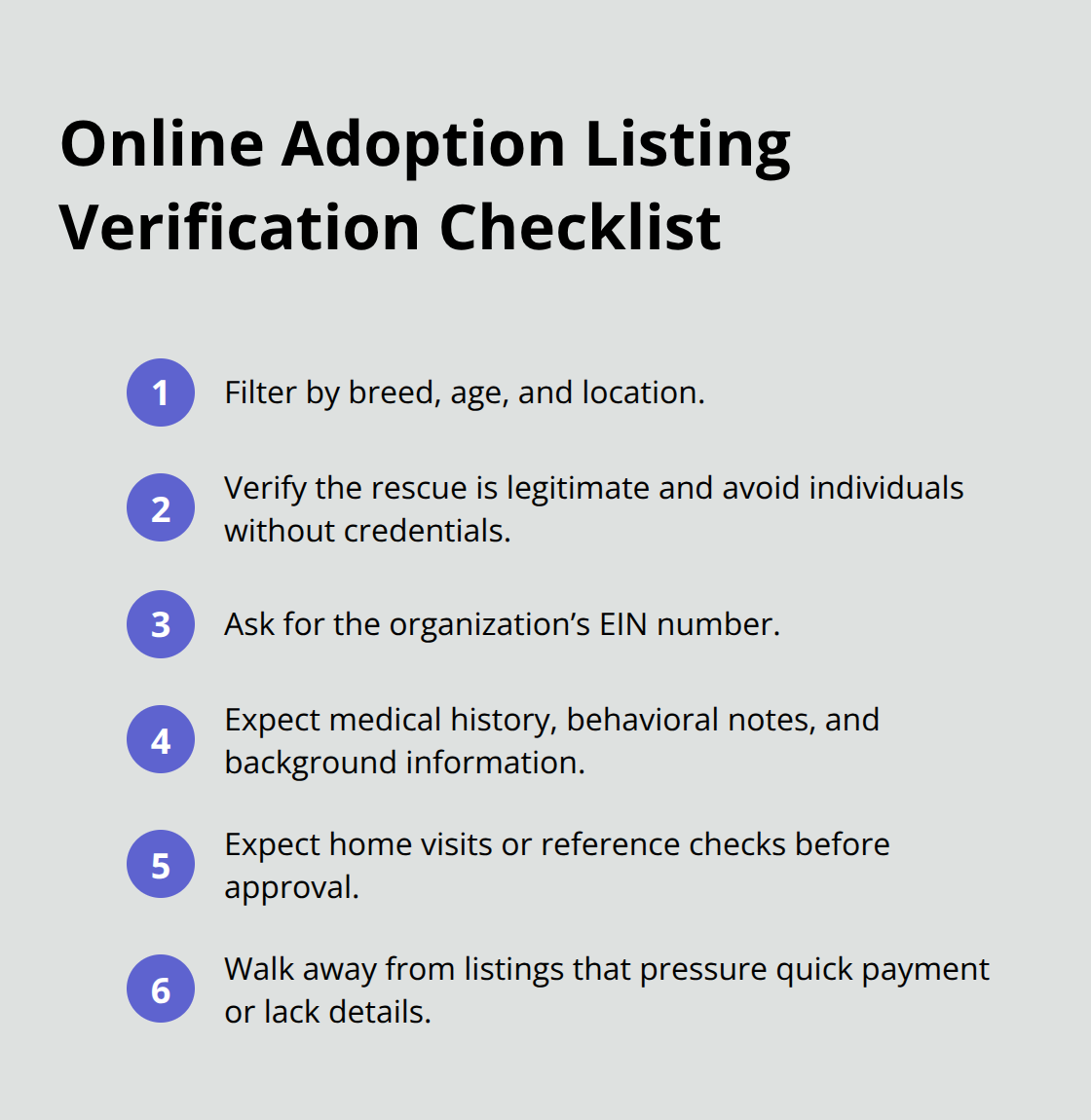
They also conduct home visits or reference checks before approval. If an online listing lacks these details or pressures you toward quick payment, move on.
Evaluating Rescue Organizations
The right organization answers questions thoroughly and prioritizes matching you with a puppy suited to your household. Ask about the dog’s medical history, behavioral background, and any special needs. Request references from previous adopters if available. Legitimate rescues welcome these inquiries and view them as signs of a serious, committed adopter. Organizations that rush the process or avoid transparency typically operate outside ethical standards. Your due diligence now prevents heartbreak and unexpected costs later. With a vetted rescue or shelter identified, you’re ready to evaluate individual puppies and assess whether each candidate fits your home and lifestyle.
Evaluating a Pomeranian Puppy Before Adoption
Assessing Health Through Veterinary Records
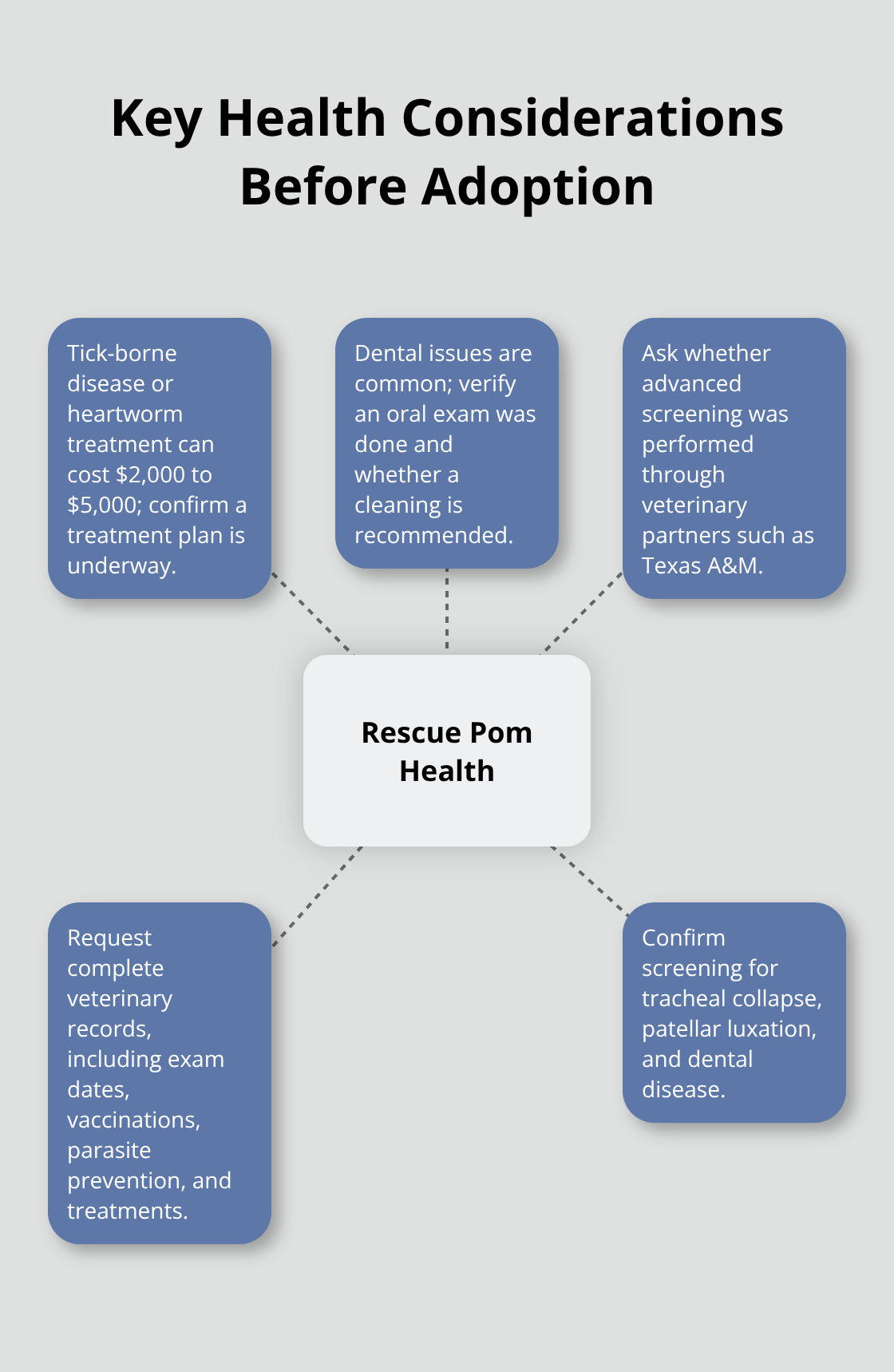
A thorough health assessment separates a sound adoption decision from a costly mistake. Request complete veterinary records from the rescue or shelter, including exam dates, vaccination history, parasite prevention, and any treatments administered. Pomeranians commonly develop tracheal collapse, patellar luxation, and dental disease, so ask specifically whether the puppy has been screened for these conditions. If records show tick-borne diseases or heartworm exposure, confirm that treatment has begun or is planned, as these conditions can cost $2,000 to $5,000 to resolve. Dental issues appear frequently in rescue Poms from neglectful situations; ask whether the puppy’s teeth have been examined and if cleaning is recommended. Many rescues partner with veterinarians like those at Texas A&M, so ask whether your candidate received advanced screening.
Conducting Your Own Pre-Adoption Examination
Schedule an independent pre-adoption exam with your own veterinarian and request bloodwork. This upfront expense prevents surprises that could strain your finances or bond with the puppy later. Your vet can also identify parasites, infections, or organ dysfunction that shelter exams may have missed. Ask your veterinarian to assess the puppy’s teeth, heart, and joints during this visit. Document all findings in writing so you have a baseline for future health comparisons.
Observing Temperament and Behavior
Temperament assessment requires direct observation and honest conversation with rescue staff who know the dog’s behavior. Ask how the puppy reacts to loud noises, unfamiliar people, other dogs, and cats if you have them at home. Pomeranians from hoarding situations often show fear-based aggression or extreme shyness, requiring months of patient socialization rather than weeks. Visit the puppy multiple times before adoption to observe consistency in behavior across different days and settings. Watch for excessive barking, which the breed naturally exhibits but can worsen with anxiety, or signs of resource guarding around food and toys.
Evaluating Physical Traits and Growth Potential
Physical characteristics matter less than health and temperament, though breed standards call for Pomeranians weighing 3 to 7 pounds and standing about 12 inches tall. Rescue puppies often fall below ideal weight due to malnutrition, so ask about growth projections and feeding plans. Coat color varies widely (black, red, cream, white, blue, sable, merle), so choose based on grooming commitment rather than appearance, since all require daily brushing to prevent matting. Trust your instincts; if a puppy or rescue organization feels wrong, move forward to the next candidate rather than forcing a match. Once you’ve identified a puppy that passes health and temperament checks, your attention shifts to preparing your home for their arrival.
Setting Up Your Home for a Pomeranian
Rescue Pomeranians need more than good intentions when they arrive home. You need specific supplies, a safety plan, and a realistic training timeline. Rescue puppies, especially those from hoarding situations, require structure and predictability to overcome their past.
Creating a Secure Space
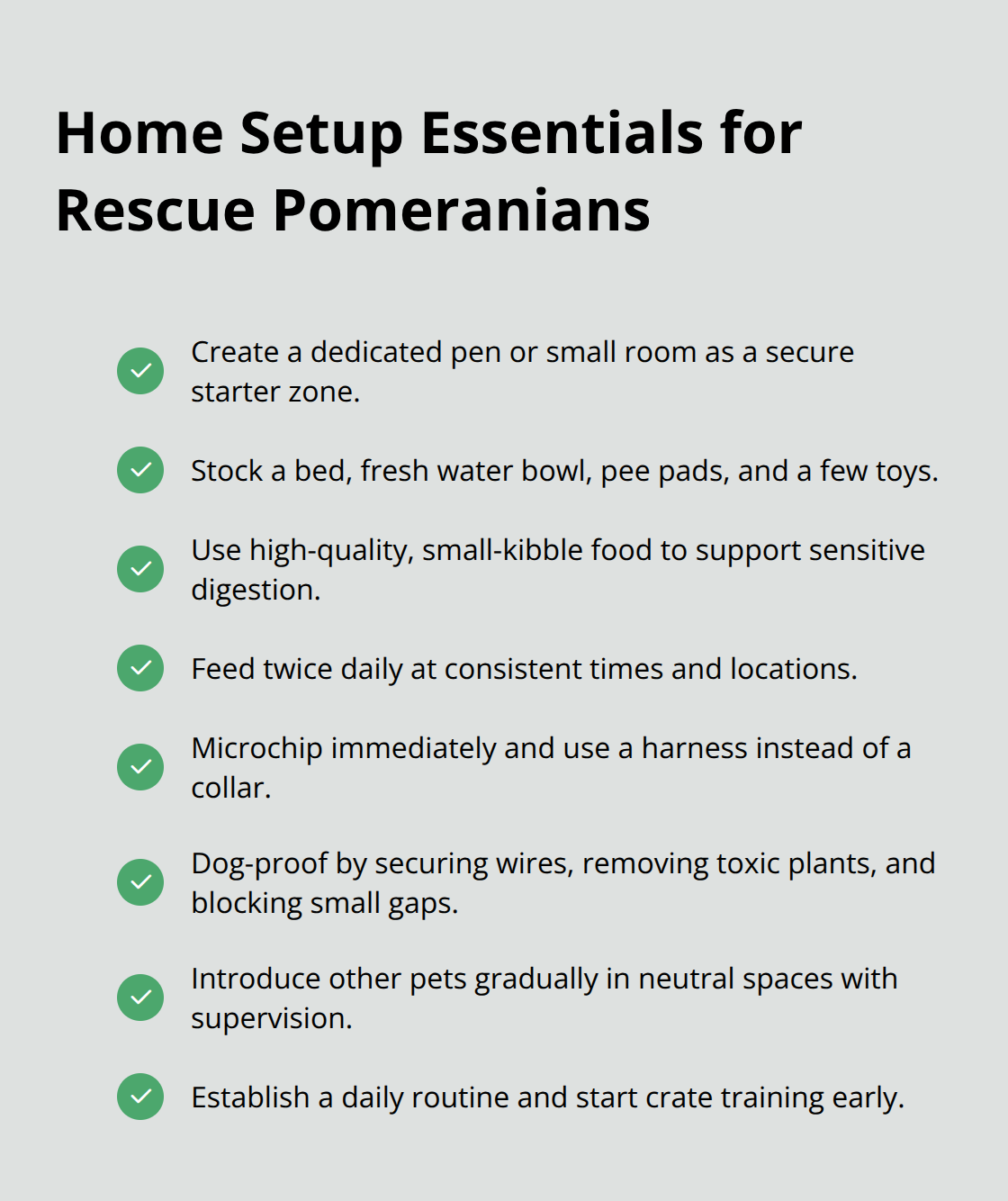
Start with a dedicated space like a large exercise pen or small room where your puppy feels secure without roaming your entire house. Include a bed, fresh water bowl, pee pads, and a few toys in this zone. Many rescue Poms struggle with housebreaking because they’ve never learned where to toilet appropriately, so confining them to a smaller area prevents accidents on your flooring and establishes routine faster.
Nutrition and Feeding Schedules
Use high-quality, small-kibble food since rescue puppies often have sensitive digestion from malnutrition or neglect. Feed twice daily in consistent locations at set times, which reinforces potty training and helps you monitor eating patterns. Avoid treats initially; focus on meals and water until your puppy settles and gains weight. If your rescue Pom shows signs of dental issues or poor appetite, warm the kibble slightly with water or low-sodium broth to soften it and improve palatability.
Keep grooming supplies ready too: a slicker brush, metal comb, and nail clippers. Pomeranians shed year-round and require regular brushing and grooming, so this isn’t optional if you want to avoid costly professional grooming.
Safety Measures and Identification
Microchip your puppy immediately and attach an ID tag with your phone number, even if the rescue didn’t microchip during adoption. Pomeranians are small and can escape through gaps in fencing or slip collars, so use a harness instead of a collar to protect their trachea during walks. Dog-proof your home by securing loose wires, removing toxic plants, and blocking access to small spaces where a tiny puppy could get stuck.
If you have other pets, introduce them gradually in neutral spaces with supervision; rescue Poms sometimes show fear-based aggression or extreme shyness from their backgrounds, so don’t force interactions.
Training and Housebreaking Strategy
Plan your training approach before day one arrives. Crate training accelerates housebreaking and gives your puppy a safe den when you can’t supervise. Choose a crate sized appropriately so your Pom can stand and turn around but not eliminate in one corner and sleep in another. Expect potty training to take weeks or even months with a rescue; accidents happen, and punishment worsens anxiety and setbacks.
Instead, take your puppy outside frequently, reward successes immediately with praise or a small treat, and clean accidents with enzymatic cleaners to eliminate scent markers that encourage repeat mistakes. Establish a consistent daily schedule: wake time, feeding times, potty breaks, play sessions, and bedtime. This predictability helps rescue puppies feel secure and accelerates learning.
If your rescue shows extreme fear or stress behaviors during the transition, calming aids like aromatherapy collars can help, but consult your veterinarian before using any supplement. Your puppy’s first two to four weeks will test your patience, but consistency and kindness during this critical period determine whether your rescue thrives or struggles with lifelong behavioral issues.
Final Thoughts
Finding a Pomeranian puppy for adoption requires patience, research, and honest self-assessment about your home and lifestyle. Start by contacting breed-specific rescues like Pom Squad Rescue or searching Petfinder for available dogs in your area. Verify that any organization you work with has nonprofit credentials and transparent medical records. Schedule a pre-adoption veterinary exam to catch health issues early, and observe the puppy’s temperament across multiple visits before committing.
Adoption offers undeniable advantages over purchasing from breeders. Rescue fees run $100 to $300 and typically include spaying or neutering, vaccinations, and microchipping, while breeder puppies cost $1,500 to $3,000 or more. Beyond cost, adoption saves a dog from a harmful situation and supports organizations working to eliminate euthanasia of healthy animals. Rescue Pomeranians often come from hoarding situations or puppy mills, so they need extra patience during their transition, but this investment in their recovery creates a profound bond.
After bringing your puppy Pomeranian for adoption home, stick to your established routine for feeding, potty breaks, and training. Expect housebreaking to take weeks or months with a rescue; consistency matters far more than speed. Visit DogingtonPost for practical tips on training, nutrition, and health care as your puppy grows.